How Repurposed Industrial Plastic Waste Helps Meet Sustainability Goals
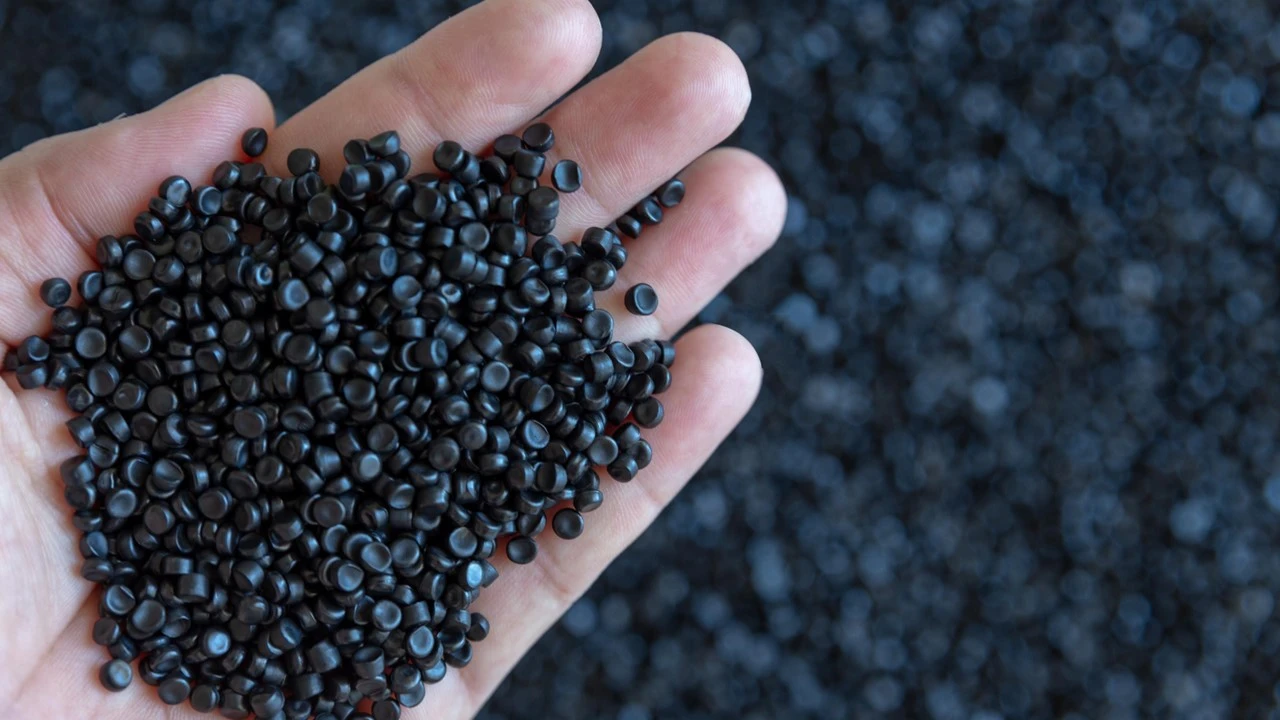
As sustainability becomes a core priority across manufacturing, construction, and consumer goods, companies are increasingly rethinking how materials are sourced, reused, and tracked. One of the most impactful opportunities lies in industrial plastic waste. Materials that were once discarded can now be repurposed into high-performance products that advance both environmental and business objectives.
At EPL Plastics, a Family-owned company, we specialize in turning industrial plastic waste into repurposed plastics, helping local manufacturers reduce waste, lower costs, and meet regulatory frameworks like Blue Box EPR.
Industrial plastic waste is generated during manufacturing, processing, and distribution. Unlike post-consumer waste, it is typically cleaner, more uniform, and highly suitable for reuse. Properly processed, industrial plastic waste can match the performance of virgin materials while reducing environmental impact.
Common sources include:
- Excess production material
- Off-spec parts and trim waste
- Obsolete inventory made from Polypropylene (PP), Polyethylene (PE), and Polystyrene (PS)
According to the Government of Canada, industrial plastic waste contributes to over 5 million tons of plastics annually in (Canada), representing a significant opportunity for recovery and repurposing.
Diverting industrial plastic waste from landfills reduces pollution, conserves space, and lowers greenhouse gas emissions. Landfilling one ton of plastic can release up to 6 tons of CO₂ equivalent emissions (EPA USA).
Producing materials from repurposed industrial plastics requires up to 70% less energy than manufacturing virgin plastics, providing measurable reductions in carbon emissions (TradePro).
Repurposed plastics help companies shift from a linear “produce–use–discard” model to a circular system where materials are continuously reused. Circular manufacturing reduces dependency on raw petrochemicals and strengthens supply chain resilience (Read more).
Durable, chemical-resistant, and versatile. Repurposed PP is used in:
- Automotive components
- Industrial containers
- Construction products
Including HDPE and LDPE, PE retains strength and moisture resistance after repurposing. Applications include:
- Piping and packaging
- Outdoor equipment and containers
Lightweight and rigid, repurposed PS is ideal for:
- Insulation and protective packaging
- Specialty industrial products
EPL Plastics offers custom repurposed plastics engineered to meet precise performance, dimensional, and regulatory requirements. Tailored solutions allow companies to:
- Maintain product performance standards
- Achieve internal sustainability targets
- Reduce material costs
- Improve ESG reporting metrics
Blending repurposed plastics with virgin materials often provides the optimal balance of cost, performance, and sustainability.
While some high-precision or regulatory-controlled applications still require virgin materials, many products can transition partially or fully to repurposed plastics without loss of quality.
By analyzing manufacturing needs, EPL Plastics ensures Canadian manufacturers maximize sustainability without compromising performance or compliance.
EPL Plastics has a reputation for turning industrial plastic waste into high-value materials. Canadian manufacturers benefit from:
- Reliable access to repurposed industrial plastics
- Custom material solutions for real-world applications
- Reduced environmental impact and improved ESG metrics
- Over 3 generations of expertise supporting multiple industries
Repurposing industrial plastic waste is strategic, sustainable, and economically sound. Companies adopting these practices:
- Reduce landfill waste and carbon emissions
- Improve supply chain resilience
- Strengthen ESG reporting and brand reputation
EPL Plastics helps Canadian organizations turn industrial plastic waste into solutions that perform, support circular manufacturing, and advance sustainability goals.
Q: What is repurposed industrial plastic waste?
A: Material recovered from manufacturing, processing, or distribution, cleaned and processed into reusable plastics like PP, PE, and PS.
Q: How does repurposing benefit sustainability?
A: Reduces landfill contributions, lowers emissions, conserves resources, and supports circular manufacturing systems.
Q: Which plastics can be repurposed?
A: PP, PE, PS durable, consistent, and widely used in industrial applications.
Q: How do custom repurposed solutions work?
A: EPL Plastics engineers materials to meet specific performance, dimensional, and regulatory needs, enabling manufacturers to maintain quality while achieving sustainability goals.
Q: Can repurposed plastics replace virgin materials entirely?
A: Many applications can use repurposed plastics fully or in blends with virgin materials to optimize cost, performance, and sustainability.
Q: Why choose EPL Plastics?
A: As a Canadian-owned company, EPL Plastics provides high-quality repurposed plastics, custom solutions, ESG reporting support, and three generations of industry expertise.
At EPL Plastics, a Family-owned company, we specialize in turning industrial plastic waste into repurposed plastics, helping local manufacturers reduce waste, lower costs, and meet regulatory frameworks like Blue Box EPR.
What Is Industrial Plastic Waste?
Industrial plastic waste is generated during manufacturing, processing, and distribution. Unlike post-consumer waste, it is typically cleaner, more uniform, and highly suitable for reuse. Properly processed, industrial plastic waste can match the performance of virgin materials while reducing environmental impact.
Common sources include:
- Excess production material
- Off-spec parts and trim waste
- Obsolete inventory made from Polypropylene (PP), Polyethylene (PE), and Polystyrene (PS)
According to the Government of Canada, industrial plastic waste contributes to over 5 million tons of plastics annually in (Canada), representing a significant opportunity for recovery and repurposing.
Sustainability Benefits of Repurposing Industrial Plastic Waste
1. Reduce Landfill Contributions and Environmental Impact
Diverting industrial plastic waste from landfills reduces pollution, conserves space, and lowers greenhouse gas emissions. Landfilling one ton of plastic can release up to 6 tons of CO₂ equivalent emissions (EPA USA).
2. Lower Carbon Footprint
Producing materials from repurposed industrial plastics requires up to 70% less energy than manufacturing virgin plastics, providing measurable reductions in carbon emissions (TradePro).
3. Support Circular Manufacturing
Repurposed plastics help companies shift from a linear “produce–use–discard” model to a circular system where materials are continuously reused. Circular manufacturing reduces dependency on raw petrochemicals and strengthens supply chain resilience (Read more).
Key Plastics for Repurposing
Polypropylene (PP)
Durable, chemical-resistant, and versatile. Repurposed PP is used in:
- Automotive components
- Industrial containers
- Construction products
Polyethylene (PE)
Including HDPE and LDPE, PE retains strength and moisture resistance after repurposing. Applications include:
- Piping and packaging
- Outdoor equipment and containers
Polystyrene (PS)
Lightweight and rigid, repurposed PS is ideal for:
- Insulation and protective packaging
- Specialty industrial products
Custom Repurposed Solutions for Real-World Needs
EPL Plastics offers custom repurposed plastics engineered to meet precise performance, dimensional, and regulatory requirements. Tailored solutions allow companies to:
- Maintain product performance standards
- Achieve internal sustainability targets
- Reduce material costs
- Improve ESG reporting metrics
Blending repurposed plastics with virgin materials often provides the optimal balance of cost, performance, and sustainability.
Repurposed vs. Virgin Materials
While some high-precision or regulatory-controlled applications still require virgin materials, many products can transition partially or fully to repurposed plastics without loss of quality.
By analyzing manufacturing needs, EPL Plastics ensures Canadian manufacturers maximize sustainability without compromising performance or compliance.
Why Sustainability-Focused Companies Choose EPL Plastics
EPL Plastics has a reputation for turning industrial plastic waste into high-value materials. Canadian manufacturers benefit from:
- Reliable access to repurposed industrial plastics
- Custom material solutions for real-world applications
- Reduced environmental impact and improved ESG metrics
- Over 3 generations of expertise supporting multiple industries
Moving Toward a More Sustainable Future
Repurposing industrial plastic waste is strategic, sustainable, and economically sound. Companies adopting these practices:
- Reduce landfill waste and carbon emissions
- Improve supply chain resilience
- Strengthen ESG reporting and brand reputation
EPL Plastics helps Canadian organizations turn industrial plastic waste into solutions that perform, support circular manufacturing, and advance sustainability goals.
FAQ: Repurposed Industrial Plastic Waste
Q: What is repurposed industrial plastic waste?
A: Material recovered from manufacturing, processing, or distribution, cleaned and processed into reusable plastics like PP, PE, and PS.
Q: How does repurposing benefit sustainability?
A: Reduces landfill contributions, lowers emissions, conserves resources, and supports circular manufacturing systems.
Q: Which plastics can be repurposed?
A: PP, PE, PS durable, consistent, and widely used in industrial applications.
Q: How do custom repurposed solutions work?
A: EPL Plastics engineers materials to meet specific performance, dimensional, and regulatory needs, enabling manufacturers to maintain quality while achieving sustainability goals.
Q: Can repurposed plastics replace virgin materials entirely?
A: Many applications can use repurposed plastics fully or in blends with virgin materials to optimize cost, performance, and sustainability.
Q: Why choose EPL Plastics?
A: As a Canadian-owned company, EPL Plastics provides high-quality repurposed plastics, custom solutions, ESG reporting support, and three generations of industry expertise.