Blue Box EPR Explained: What Ontario Manufacturers Need to Know
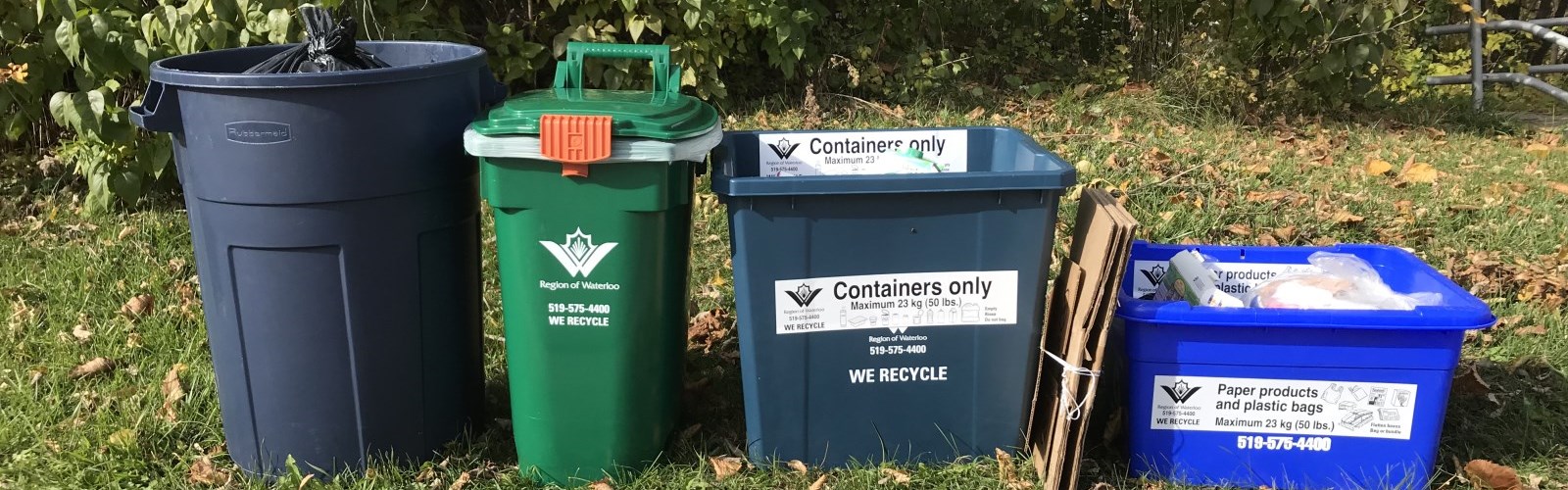
Ontario’s recycling framework is undergoing a major transformation. Blue Box EPR (Extended Producer Responsibility) is shifting the responsibility for packaging waste management from municipalities to producers, directly impacting Ontario manufacturers’ costs, compliance obligations, and sustainability reporting.
For companies selling packaged goods in Ontario, understanding Blue Box EPR is critical for compliance and for maintaining a competitive advantage in a market increasingly focused on sustainability.
Blue Box EPR (Extended Producer Responsibility) requires producers to fund and manage the recycling of packaging and paper products placed on the Ontario market.
Under Blue Box EPR Ontario, producers are responsible for:
- Funding Blue Box collection and recycling
- Reporting packaging materials and volumes
- Meeting recycling performance targets
- Maintaining audit-ready compliance records
The program’s goal is to improve recycling outcomes while ensuring producers are accountable for the environmental impact of their packaging.
Blue Box EPR introduces direct cost and compliance responsibilities tied to packaging design and material selection. Manufacturers may be considered producers if they:
- Manufacture packaged products sold in Ontario
- Own the brand on packaged goods
- Import packaged products into the province
Packaging materials particularly plastics are evaluated based on weight, recyclability, and system performance, all of which influence EPR fees under Manufacturing Blue Box EPR rules.
Under Blue Box EPR Ontario, packaging costs are no longer indirect. Fees are influenced by:
- Material type and recyclability
- Total volume and weight supplied
- Accuracy of reported material data
Incomplete or inaccurate reporting increases regulatory risk, making material transparency and documentation critical for Ontario manufacturers.
At EPL Plastics, we help Ontario manufacturers meet EPR obligations while supporting sustainability goals.
By supplying recycled and repurposed plastics, we help companies:
- Reduce reliance on virgin materials
- Improve recyclability performance within Ontario’s Blue Box system
- Support circular manufacturing practices tied to EPR goals
Equally important, EPL Plastics provides recycled plastic reporting and material transparency, enabling manufacturers to:
- Track recycled content usage
- Improve accuracy in EPR reporting
- Support audits and compliance verification
- Strengthen ESG and sustainability disclosures
Together, recycled material supply and clear reporting help Ontario manufacturers manage EPR obligations with greater confidence and cost control.
Blue Box EPR represents a long-term shift in how packaging and materials are regulated in Ontario. Manufacturers that proactively adjust by optimizing packaging, using recycled materials, and strengthening reporting will be better positioned to control costs and reduce compliance risk in the future.
- Reduce operational costs
- Minimize compliance risk in the future
- Strengthen brand reputation as sustainability leaders
Q: Who is responsible for Blue Box EPR?
Producers of packaged goods sold in Ontario are responsible for funding and managing recycling under the Blue Box EPR program.
Q: How can EPL Plastics help?
EPL Plastics provides recycled and repurposed plastics along with detailed reporting to ensure Ontario manufacturers meet Blue Box EPR reporting requirements.
Q: What materials are affected?
All packaging and paper products, particularly plastics such as Polypropylene, Polyethylene, and Polystyrene.
For companies selling packaged goods in Ontario, understanding Blue Box EPR is critical for compliance and for maintaining a competitive advantage in a market increasingly focused on sustainability.
What Is Blue Box EPR?
Blue Box EPR (Extended Producer Responsibility) requires producers to fund and manage the recycling of packaging and paper products placed on the Ontario market.
Under Blue Box EPR Ontario, producers are responsible for:
- Funding Blue Box collection and recycling
- Reporting packaging materials and volumes
- Meeting recycling performance targets
- Maintaining audit-ready compliance records
The program’s goal is to improve recycling outcomes while ensuring producers are accountable for the environmental impact of their packaging.
How Blue Box EPR Affects Ontario Manufacturing
Blue Box EPR introduces direct cost and compliance responsibilities tied to packaging design and material selection. Manufacturers may be considered producers if they:
- Manufacture packaged products sold in Ontario
- Own the brand on packaged goods
- Import packaged products into the province
Packaging materials particularly plastics are evaluated based on weight, recyclability, and system performance, all of which influence EPR fees under Manufacturing Blue Box EPR rules.
Cost and Reporting Implications
Under Blue Box EPR Ontario, packaging costs are no longer indirect. Fees are influenced by:
- Material type and recyclability
- Total volume and weight supplied
- Accuracy of reported material data
Incomplete or inaccurate reporting increases regulatory risk, making material transparency and documentation critical for Ontario manufacturers.
How EPL Plastics Supports Blue Box EPR Compliance
At EPL Plastics, we help Ontario manufacturers meet EPR obligations while supporting sustainability goals.
By supplying recycled and repurposed plastics, we help companies:
- Reduce reliance on virgin materials
- Improve recyclability performance within Ontario’s Blue Box system
- Support circular manufacturing practices tied to EPR goals
Equally important, EPL Plastics provides recycled plastic reporting and material transparency, enabling manufacturers to:
- Track recycled content usage
- Improve accuracy in EPR reporting
- Support audits and compliance verification
- Strengthen ESG and sustainability disclosures
Together, recycled material supply and clear reporting help Ontario manufacturers manage EPR obligations with greater confidence and cost control.
Preparing for the Future of Blue Box EPR in Ontario Manufacturing
Blue Box EPR represents a long-term shift in how packaging and materials are regulated in Ontario. Manufacturers that proactively adjust by optimizing packaging, using recycled materials, and strengthening reporting will be better positioned to control costs and reduce compliance risk in the future.
- Reduce operational costs
- Minimize compliance risk in the future
- Strengthen brand reputation as sustainability leaders
FAQs about Blue Box EPR for Ontario Manufacturers
Q: Who is responsible for Blue Box EPR?
Producers of packaged goods sold in Ontario are responsible for funding and managing recycling under the Blue Box EPR program.
Q: How can EPL Plastics help?
EPL Plastics provides recycled and repurposed plastics along with detailed reporting to ensure Ontario manufacturers meet Blue Box EPR reporting requirements.
Q: What materials are affected?
All packaging and paper products, particularly plastics such as Polypropylene, Polyethylene, and Polystyrene.