The Environmental Impacts of Industrial Plastic Recycling
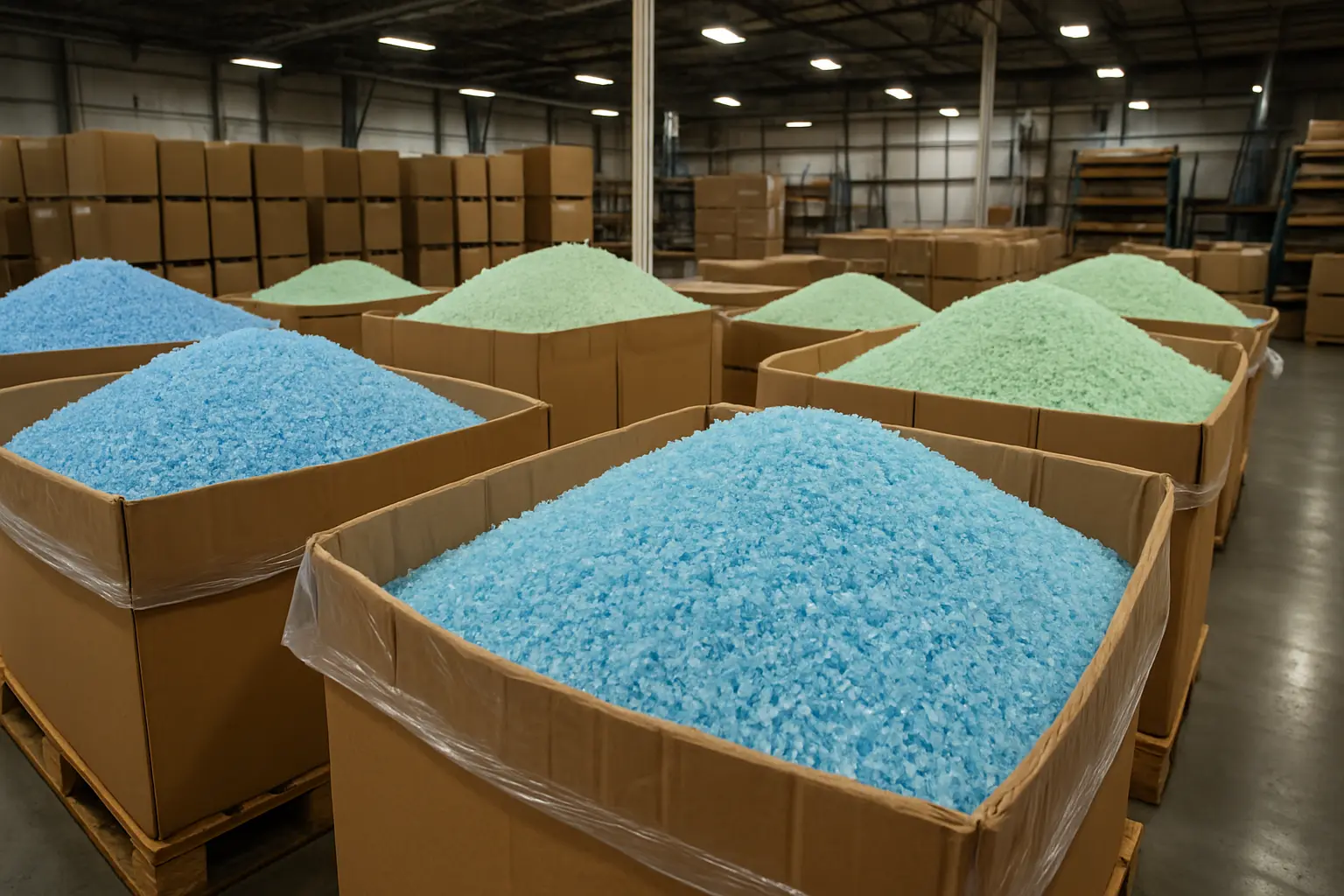
As sustainability becomes a global priority, industries are evaluating the environmental impacts of plastic reclamation and recycling. With over 4 million tonnes of plastic waste generated annually in Canada, yet only about 9% recycled (Government of Canada), the choices manufacturers make regarding material reuse have profound ecological and economic consequences.
By understanding these impacts, companies can implement practices that reduce waste, conserve resources, and support a circular manufacturing system (Learn more about circular manufacturing).
Plastic reclamation is the process of recovering used or waste plastic and converting it into a reusable raw material. Plastic recycling, a broader term, includes collecting, sorting, cleaning, and processing plastics into new products. Both aim to reduce reliance on virgin materials like Polypropylene (PP), Polyethylene (PE), and Polystyrene (PS) while minimizing environmental harm (Plastics Action Centre).
Common sources of recyclable plastic include:
- Industrial plastic waste
- Packaging scraps
- Post-consumer plastics from households and businesses
By turning these materials into repurposed plastics, industries can maintain product performance while lowering their ecological footprint.
Plastics in landfills can take hundreds of years to decompose. Reclamation and recycling divert significant amounts of plastic from disposal, conserving space and reducing long-term pollution (Canada.ca).
Less than 10% of global plastics are made from recycled materials, meaning the majority rely on energy-intensive virgin production. Recycling plastics significantly reduces lifecycle carbon emissions (The Guardian).
Plastic reclamation reduces the need for raw petroleum extraction, conserving finite natural resources and supporting sustainable material cycles.
By incorporating repurposed plastics into production, companies help create a closed-loop system where materials stay in use longer instead of being discarded after a single cycle (Read about Circular Manufacturing).
While recycling and reclamation provide significant benefits, some challenges must be managed:
- Energy Use: Shredding, washing, and remelting plastics consumes electricity; optimizing energy efficiency is essential.
- Water Consumption: Cleaning plastics requires large amounts of water, necessitating wastewater management.
- Emissions: Poorly managed facilities may emit volatile organic compounds (VOCs) or microplastics.
- Material Contamination: Mixed or contaminated plastics reduce recycling efficiency, sometimes resulting in landfill disposal despite collection.
Industrial plastic scraps, often cleaner and more uniform than consumer plastics are ideal candidates for reclamation. Using industrial waste as feedstock reduces contamination, improves processing efficiency, and lowers the environmental footprint of recycled products.
At EPL Plastics, We work primarily with clean, consistent industrial scrap, resulting in exceptionally low contamination rates and higher recycling efficiency with minimal residual waste.
- Energy Use: Our operations are partially powered by on-site solar energy, reducing reliance on grid electricity and lowering overall emissions per unit produced.
- Material Contamination: Very low plastic waste, mostly dirt and unrecyclables.
- Water Consumption: Because we process pre-consumer industrial plastics, traditional water-intensive washing is largely unnecessary. Instead, we use aspiration systems to remove dust and lightweight contaminants, significantly reducing water use while maintaining material quality.
Prioritizing plastic reclamation and recycling provides both environmental and operational advantages:
- Cost Savings: Reduce raw material expenses with repurposed plastics.
- Regulatory Compliance: Meets increasing packaging and waste regulations.
- Sustainability Credentials: Supports ESG goals and improves brand perception.
- Resource Resilience: Reduces dependence on volatile petroleum markets.
Plastic reclamation and recycling are crucial for manufacturers seeking to lower ecological footprints, enhance operational efficiency, and strengthen sustainability reporting. Companies that integrate repurposed plastics into their supply chains are not only supporting the environment but also positioning themselves as leaders in responsible manufacturing.
Q: What is the difference between plastic reclamation and recycling?
A: Reclamation focuses on recovering industrial or post-industrial plastics for reuse, while recycling includes collection, sorting, cleaning, and reprocessing into new products.
Q: Which plastics are commonly reclaimed or recycled?
A: Industrial plastics like PP, PE, and PS are most widely recycled due to durability, consistency, and industrial applicability.
Q: How does recycling industrial plastic waste help the environment?
A: It reduces landfill contributions, lowers carbon emissions, conserves natural resources, and supports circular manufacturing systems.
Q: What are the challenges of plastic recycling?
A: Energy and water consumption, emissions from processing, and contamination can reduce recycling efficiency.
Q: How can manufacturers benefit from using repurposed plastics?
A: Cost savings, regulatory compliance, improved ESG reporting, and resource resilience are key advantages.
Q: How does EPL Plastics support recycling initiatives?
A: We convert industrial plastic waste into high-performance repurposed plastics and provide transparency and reporting to meet sustainability and compliance objectives.
By understanding these impacts, companies can implement practices that reduce waste, conserve resources, and support a circular manufacturing system (Learn more about circular manufacturing).
What Is Plastic Reclamation and Recycling?
Plastic reclamation is the process of recovering used or waste plastic and converting it into a reusable raw material. Plastic recycling, a broader term, includes collecting, sorting, cleaning, and processing plastics into new products. Both aim to reduce reliance on virgin materials like Polypropylene (PP), Polyethylene (PE), and Polystyrene (PS) while minimizing environmental harm (Plastics Action Centre).
Common sources of recyclable plastic include:
- Industrial plastic waste
- Packaging scraps
- Post-consumer plastics from households and businesses
By turning these materials into repurposed plastics, industries can maintain product performance while lowering their ecological footprint.
Key Environmental Benefits of Plastic Recycling
1. Reducing Landfill Waste
Plastics in landfills can take hundreds of years to decompose. Reclamation and recycling divert significant amounts of plastic from disposal, conserving space and reducing long-term pollution (Canada.ca).
2. Lowering Carbon Emissions
Less than 10% of global plastics are made from recycled materials, meaning the majority rely on energy-intensive virgin production. Recycling plastics significantly reduces lifecycle carbon emissions (The Guardian).
3. Conserving Natural Resources
Plastic reclamation reduces the need for raw petroleum extraction, conserving finite natural resources and supporting sustainable material cycles.
4. Supporting Circular Manufacturing
By incorporating repurposed plastics into production, companies help create a closed-loop system where materials stay in use longer instead of being discarded after a single cycle (Read about Circular Manufacturing).
Environmental Considerations of Recycling Processes
While recycling and reclamation provide significant benefits, some challenges must be managed:
- Energy Use: Shredding, washing, and remelting plastics consumes electricity; optimizing energy efficiency is essential.
- Water Consumption: Cleaning plastics requires large amounts of water, necessitating wastewater management.
- Emissions: Poorly managed facilities may emit volatile organic compounds (VOCs) or microplastics.
- Material Contamination: Mixed or contaminated plastics reduce recycling efficiency, sometimes resulting in landfill disposal despite collection.
How Industrial Plastic Recycling Makes a Difference
Industrial plastic scraps, often cleaner and more uniform than consumer plastics are ideal candidates for reclamation. Using industrial waste as feedstock reduces contamination, improves processing efficiency, and lowers the environmental footprint of recycled products.
At EPL Plastics, We work primarily with clean, consistent industrial scrap, resulting in exceptionally low contamination rates and higher recycling efficiency with minimal residual waste.
- Energy Use: Our operations are partially powered by on-site solar energy, reducing reliance on grid electricity and lowering overall emissions per unit produced.
- Material Contamination: Very low plastic waste, mostly dirt and unrecyclables.
- Water Consumption: Because we process pre-consumer industrial plastics, traditional water-intensive washing is largely unnecessary. Instead, we use aspiration systems to remove dust and lightweight contaminants, significantly reducing water use while maintaining material quality.
Strategic Benefits for Manufacturers
Prioritizing plastic reclamation and recycling provides both environmental and operational advantages:
- Cost Savings: Reduce raw material expenses with repurposed plastics.
- Regulatory Compliance: Meets increasing packaging and waste regulations.
- Sustainability Credentials: Supports ESG goals and improves brand perception.
- Resource Resilience: Reduces dependence on volatile petroleum markets.
Conclusion: A Path Toward Sustainable Manufacturing
Plastic reclamation and recycling are crucial for manufacturers seeking to lower ecological footprints, enhance operational efficiency, and strengthen sustainability reporting. Companies that integrate repurposed plastics into their supply chains are not only supporting the environment but also positioning themselves as leaders in responsible manufacturing.
FAQ: Plastic Reclamation and Recycling
Q: What is the difference between plastic reclamation and recycling?
A: Reclamation focuses on recovering industrial or post-industrial plastics for reuse, while recycling includes collection, sorting, cleaning, and reprocessing into new products.
Q: Which plastics are commonly reclaimed or recycled?
A: Industrial plastics like PP, PE, and PS are most widely recycled due to durability, consistency, and industrial applicability.
Q: How does recycling industrial plastic waste help the environment?
A: It reduces landfill contributions, lowers carbon emissions, conserves natural resources, and supports circular manufacturing systems.
Q: What are the challenges of plastic recycling?
A: Energy and water consumption, emissions from processing, and contamination can reduce recycling efficiency.
Q: How can manufacturers benefit from using repurposed plastics?
A: Cost savings, regulatory compliance, improved ESG reporting, and resource resilience are key advantages.
Q: How does EPL Plastics support recycling initiatives?
A: We convert industrial plastic waste into high-performance repurposed plastics and provide transparency and reporting to meet sustainability and compliance objectives.